
How New Jersey Inmate Records Work
There is no single New Jersey jail roster that combines every county jail, state prison, federal institution, and immigration detention facility. New Jersey uses parallel custody systems. County correctional facilities and county sheriffs handle recent bookings, pretrial detention, local sentences, transfers, and many release decisions after a local arrest. NJDOC handles sentenced state-prison custody and state community-release statuses. The Bureau of Prisons handles federal sentences. ICE handles civil immigration detention. NJ Courts tracks the criminal case record that may continue after a person leaves a county jail.
The key practical point is that the first record you find may not be the final record. A county jail entry can show a recent commitment, charges received from the committing authority, bond or detention notes, and release status. It may disappear after release, transfer, or a shared-service move. NJDOC's offender search is not a live county booking feed; it is a state-prison and NJDOC-custody tool. The research file notes that NJDOC says its offender-search information is updated biweekly and may not reflect true current location, status, release date, or other fast-moving information.
The NJDOC Offender Search page is the official statewide source for people in New Jersey Department of Corrections custody.
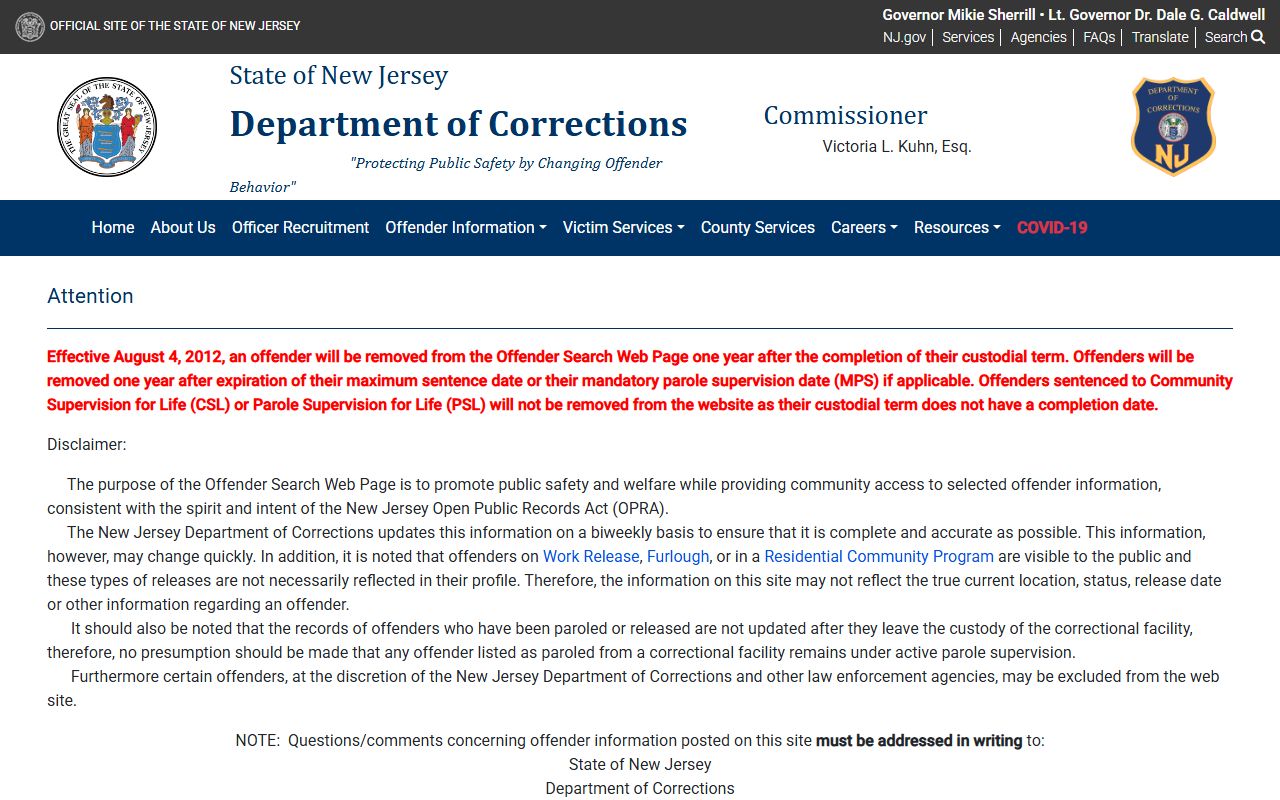
That notice is why New Jersey inmate records should be checked against the correct county, court, or federal source before anyone treats a locator result as current custody confirmation.
How to Find an Inmate Anywhere in New Jersey
Start by deciding which government system is most likely to hold the person today. If the person was arrested recently by a local police department, the useful first record is usually the county jail or the county's current housing partner. If the person was sentenced to state prison, use NJDOC. If the person has a federal sentence or federal hold, use BOP. If the issue is civil immigration detention, use ICE. If the question is what happened after the arrest, use NJ Courts together with the jail record.
- For a sentenced New Jersey state-prison case, search the NJDOC offender search and read the disclaimer before relying on status or release information.
- For a recent arrest, identify the county of arrest or the county currently housing the person. Some New Jersey counties use regional housing or transfer arrangements.
- Open the correct county page from the County Directory, then use that county's roster, corrections page, jail contact path, or OPRA instructions.
- For a federal sentence, search the BOP Inmate Locator. For immigration detention, use the ICE Online Detainee Locator System.
- For notification rather than a one-time lookup, use New Jersey VINE / VINELink.
The New Jersey VINELink page is the statewide notification channel for custody-status and criminal-case information.
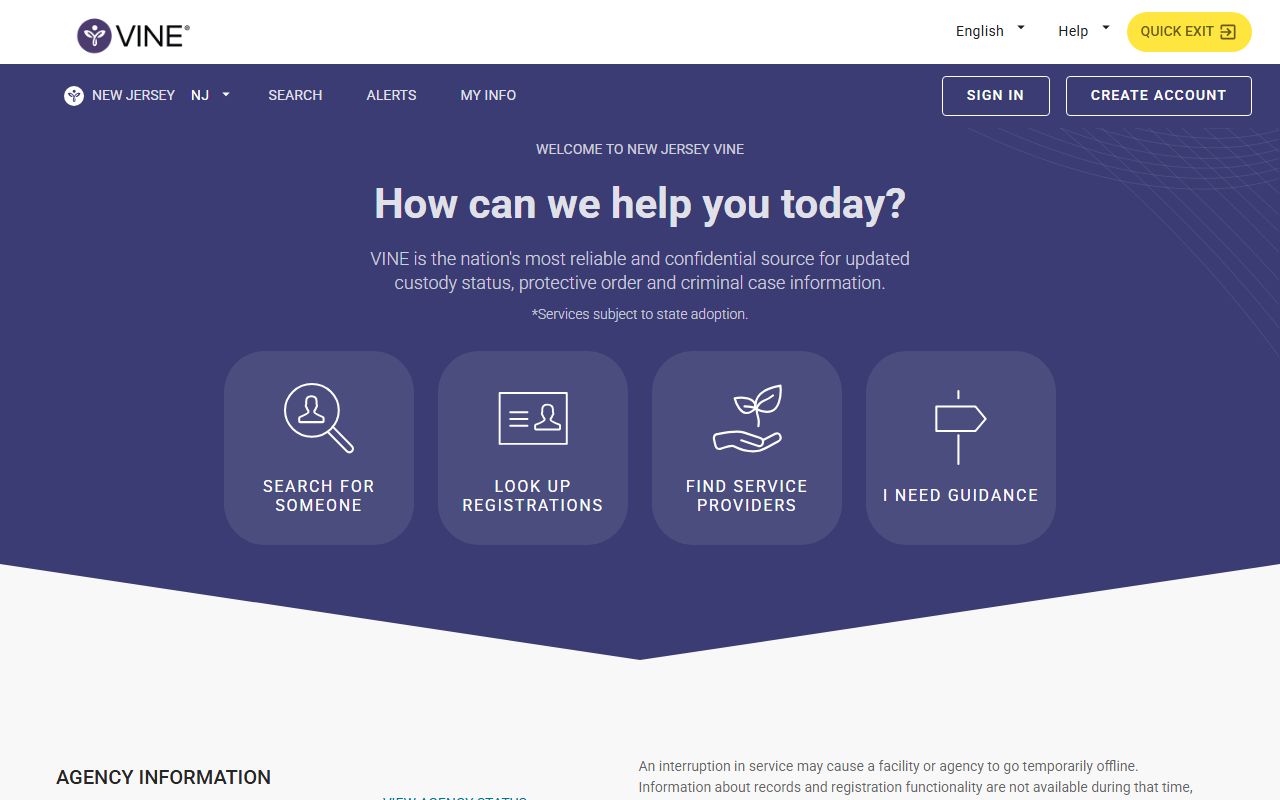
VINE is useful when the need is an alert about movement or release, but it does not replace the county roster, NJDOC, BOP, ICE, or the court case record.
County, State, Federal, and Immigration Custody
New Jersey's statewide facility map is regional in several places. Hunterdon inmates may be processed locally but housed at Warren County Correctional Center. Somerset longer-term detainees route through Morris County Correctional Facility. Sussex jail population context also runs through Morris, while Keogh-Dwyer remains a recognized facility name. Passaic has a Wayne corrections processing facility and routes detainees to Bergen or Hudson. Gloucester points adult arrestees first to Salem County and other facilities depending on classification. Union transferred correctional operations to Essex while retaining an intake hub. These details make the county directory and facility directory more important, not less.
| Custody | Run By | Where to Look |
|---|---|---|
| Recent arrest, pretrial detention, short local sentence | County sheriff, county corrections, or regional housing partner | County roster, county jail page, county OPRA custodian, and the County Directory |
| Sentenced state-prison custody | New Jersey Department of Corrections | NJDOC offender search and NJDOC inmate population |
| Federal custody | Federal Bureau of Prisons | BOP Inmate Locator |
| Immigration detention | U.S. Immigration and Customs Enforcement | ICE Online Detainee Locator System |
The Federal Bureau of Prisons locator is the correct route for federal prisoners, including people at FCI Fort Dix or FCI Fairton.
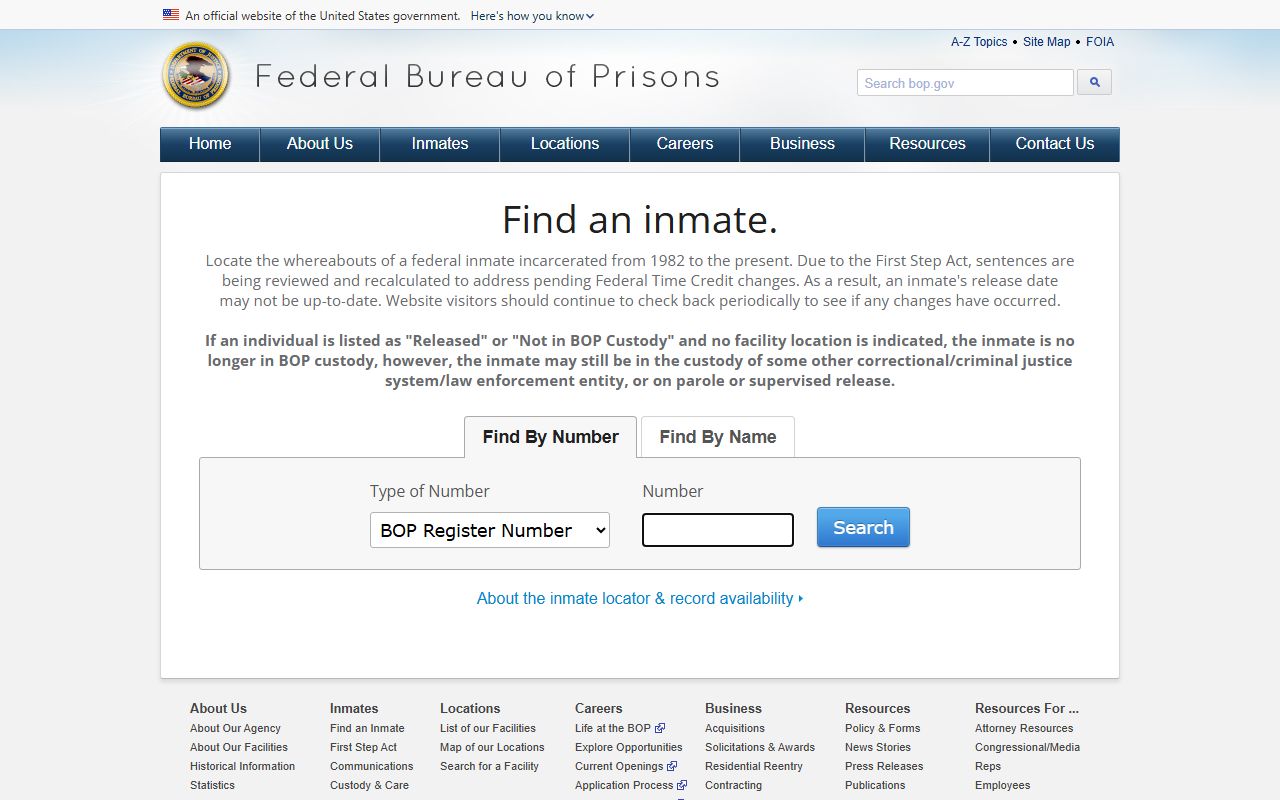
Federal records are not NJDOC records or county jail records, even when the federal facility is physically located inside New Jersey.
What a New Jersey County Jail Roster Shows
County jail roster fields vary because each county controls its own public access method. Some counties publish searchable jail rosters, some rely more heavily on corrections contact pages or OPRA routing, and some are regionalized through another county's housing facility. When a roster is available, it usually answers custody questions first: name, commitment or booking date, booking number, facility, custody status, charge text, detainer notes, and release information when available. It should not be read as a complete court file or a complete criminal-history report.
| Field Label | Typical Use | New Jersey Note |
|---|---|---|
| Name and identifiers | Confirms the roster subject | Use date of birth or other lawful identifiers cautiously because exact fields vary by county. |
| Booking or commitment date | Shows when the jail received the person | It may not match the arrest time, court filing date, or transfer date. |
| Charges | Lists charges supplied to the jail | Charges can change after prosecutor review or indictment; check NJ Courts for the case record. |
| Facility or housing | Shows where the person is held | Regional counties may show a partner facility rather than a county-owned jail. |
| Bond, release, or detainer | Shows local release conditions or holds | A detainer is not the same thing as physical federal or ICE custody. |
What a New Jersey Inmate Profile Shows
A profile from NJDOC or a county jail is selected public information. NJDOC's own locator says the data is made available for public safety and welfare consistent with the spirit and intent of OPRA, and it warns that location, status, release date, and other information may change quickly. County records can be even more local: one county may show booking details online, another may publish a daily list, and another may require a request to the records custodian.
| Field | What It Shows |
|---|---|
| Booking, SBI, DOC, or register number | The identifier used by the agency that controls the record. |
| Admission or booking date | The date tied to a jail intake, NJDOC admission, or federal custody record. |
| Charge or offense summary | A roster charge, conviction offense, or selected public offense text depending on the system. |
| Bond, sentence, or release date | A release condition, sentence-related date, or projected release field that must be verified with the agency. |
| Facility or housing | The jail, prison, federal institution, or detention facility connected to the current record. |
| Custody status | Whether the person appears in custody, released, transferred, or in a community-release context when the agency publishes that data. |
New Jersey Detention Facilities and Directories
New Jersey detention records are tied to real facilities, but the facility name is not always the county name a user expects. The statewide facility directory separates county jails, NJDOC prisons, federal institutions, ICE facilities, juvenile detention centers, and NJDOC residential community release programs. It also marks facilities that are processing, intake, transport, former, or non-primary housing sites where the research supports that distinction.
The NJDOC About page identifies the department and its statewide correctional footprint.
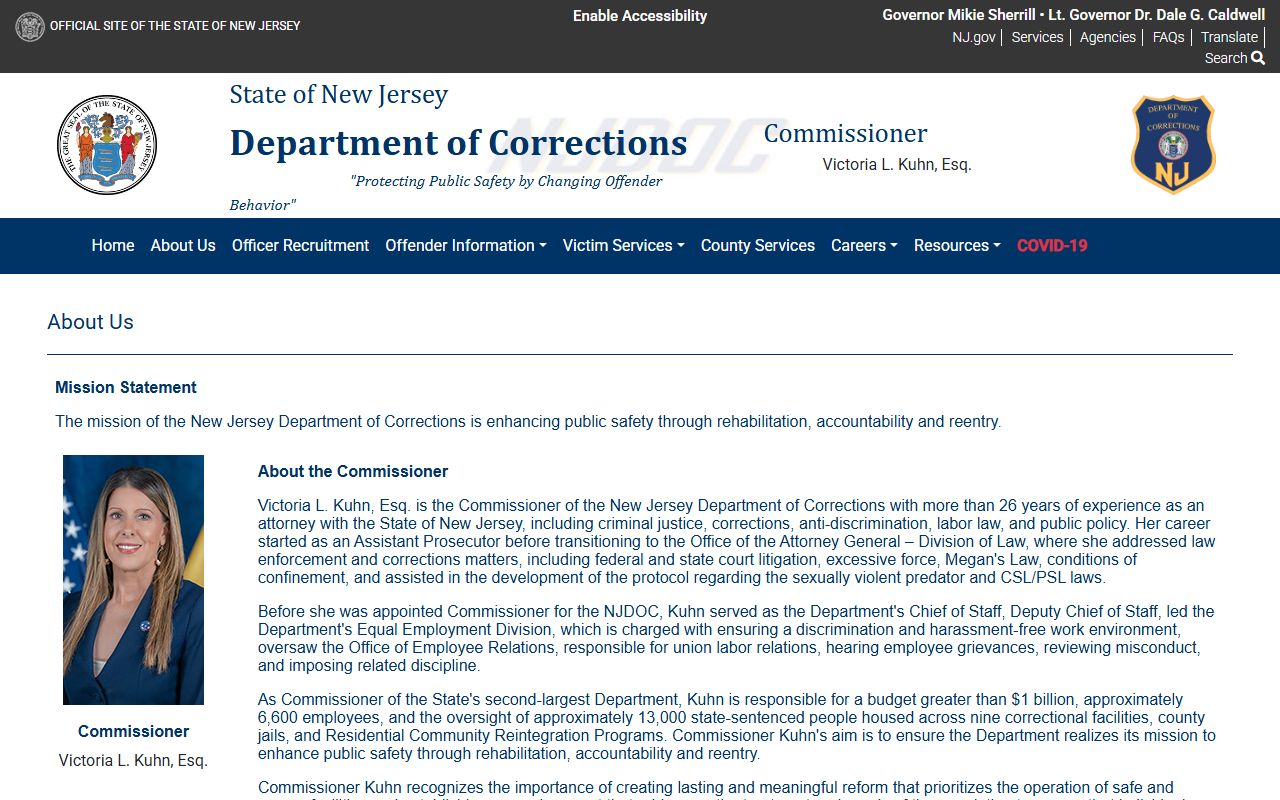
That statewide prison footprint is separate from local jails, which is why the Facility Directory and County Directory are different navigation paths.
Visitation, Mail, and Inmate Funds
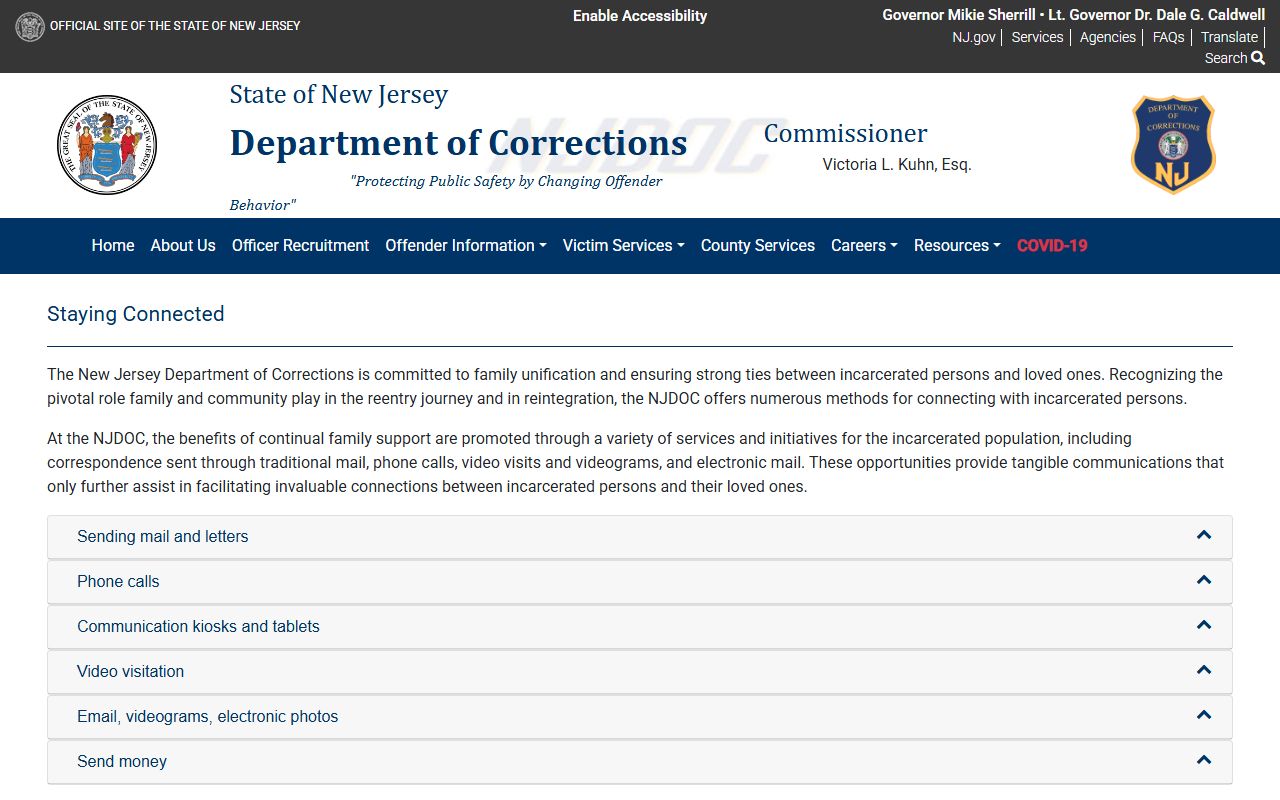
Visitation, mail, phone, and money rules follow the facility, not the person's home county. NJDOC has statewide prison visitation and family-connection rules. County jails set local schedules and may use different vendors. Federal prisons use BOP rules. ICE detention facilities use ICE and facility-specific procedures. For NJDOC, the research notes two statewide details: mail copying and screening for United States Postal mail at the nine correctional facilities, and a 2025 transition from JPay to ViaPath Technologies / ConnectNetwork for communications and financial transactions.
The NJDOC Staying Connected page explains statewide mail, phone, and family-contact rules for state prisons.
County jail mail and money rules may be different, so the county or facility page remains the controlling source for a local detainee.
Note: Confirm custody and facility rules before visiting, mailing documents, sending funds, or relying on a release date. New Jersey facilities do not share one schedule or vendor.
Public-Records Requests for New Jersey Inmate Records
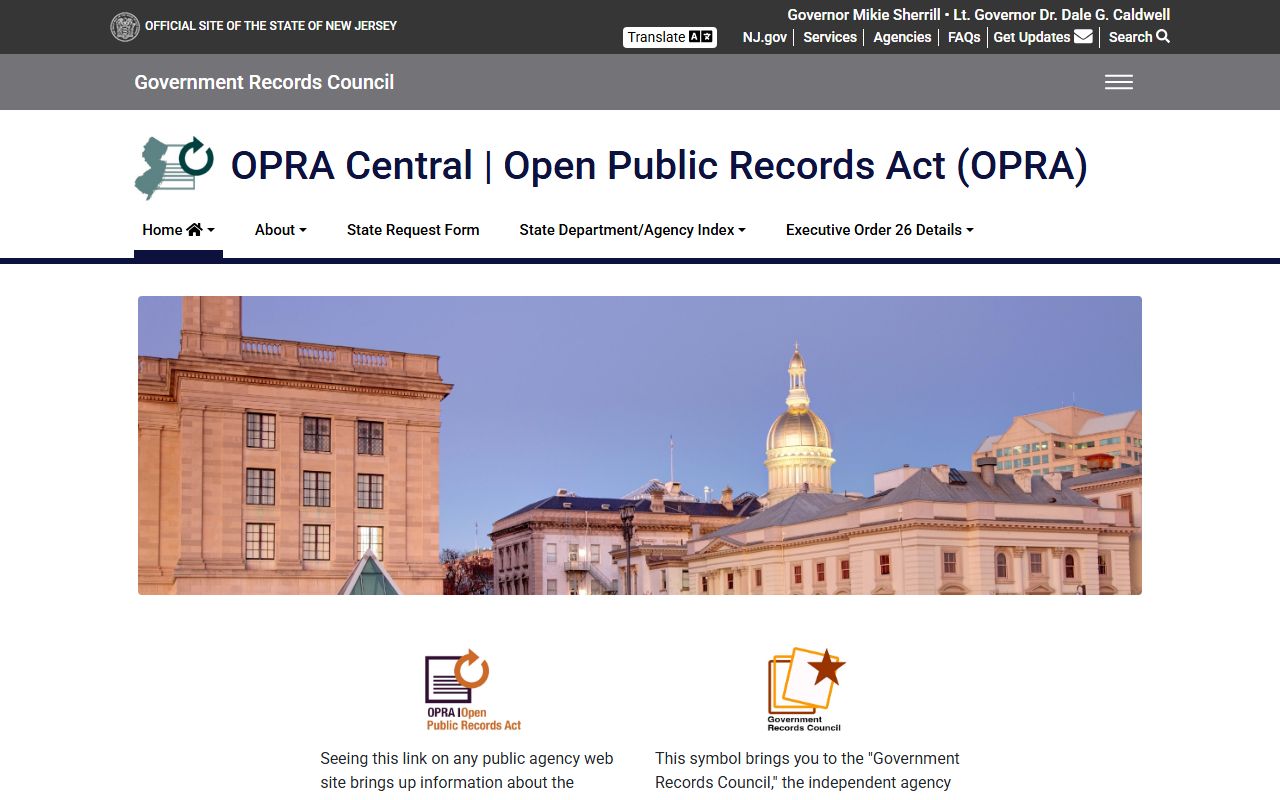
New Jersey's statewide public-records law is the Open Public Records Act, N.J.S. 47:1A-1 et seq. OPRA Central is the state access hub, and the Government Records Council publishes the readable OPRA text effective September 3, 2024. OPRA does not make every jail or prison record public. The research specifically flags criminal-investigatory records, ongoing-investigation limits, exemptions from other statutes or orders, and the difference between agency records and court records. Public access often depends on the exact record requested, the agency that maintains it, and whether an exemption or redaction applies.
For NJDOC government records, start with OPRA Central or the state request form and select the department that maintains the record. For questions about information posted in NJDOC's offender search, the locator directs written correspondence to the State of New Jersey Department of Corrections, PO Box 863, ATTN: Correspondence Unit, Trenton, NJ 08625, and says phone inquiries about offender information cannot be honored. For county jail records, use the holding county's sheriff, county corrections agency, county counsel, clerk, OPRA office, or local records portal. For court filings, use NJ Courts rather than NJDOC.
The New Jersey OPRA Central page is the statewide public-records starting point for state agency records.
OPRA requests should ask for identifiable records, date ranges, agencies, and facilities, not for a general explanation of where someone is being held.